Introduction
As the drought of June seems somewhat relieved by rain this week, and our dusty gardens soften for a few days, enjoy the Acton Garden Club’s Horticultural Hints and be reminded again that it is never too late to mulch. Mulching serves a purpose of moisture retention in this unsteady climate. This month’s hints include advice on watering, moving houseplants outdoors, and taking care of plants as their blooms fade, with a bonus of the “Chelsea Chop”.
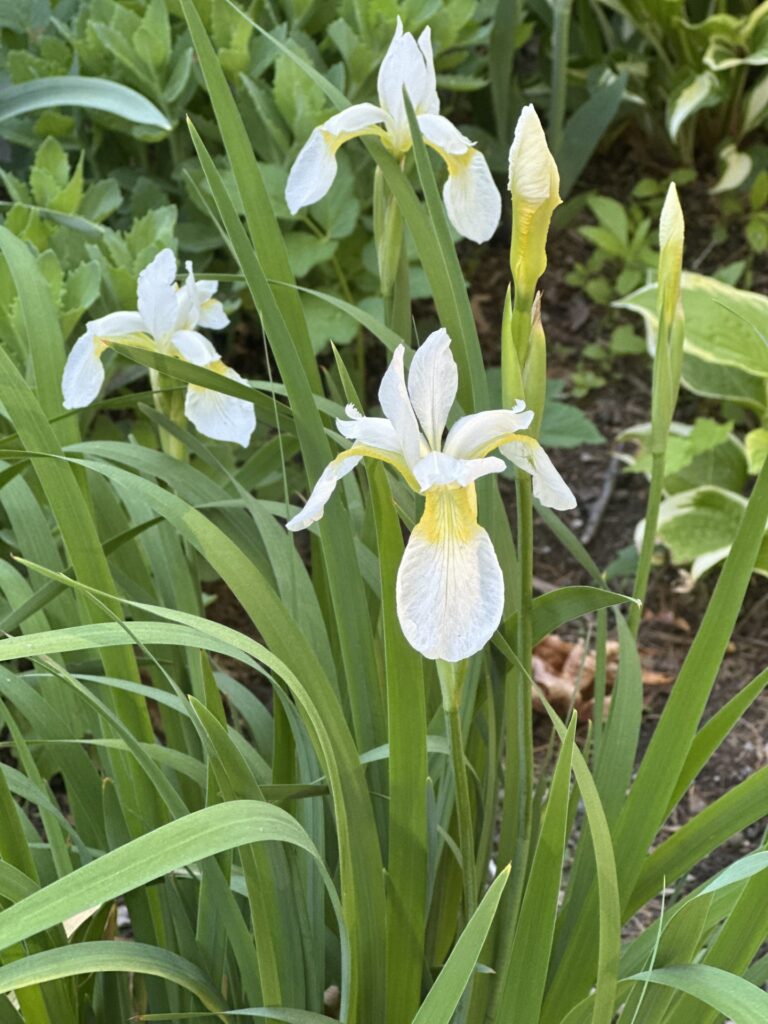
Mulching
Mulch landscape plants with organic mulches that provide many benefits, including moisture retention, control of fluctuations in soil temperature, weed suppression, and protection from mechanical damage from line trimmers and lawn mowers. Organic mulches such as bark mulch also look attractive and help with the addition of organic matter to the soil through decomposition. Remove established perennial weeds before mulch is applied. Avoid mulch depths greater than 4 inches and do not allow mulch to contact the base of trees and shrubs. Avoid mulch volcanoes (a circular volcano-shaped pile of mulch above ground level formed up to the trunk of a tree).
Watering
Most plants (lawns, vegetables, perennials, annuals, trees, and shrubs) need one inch of water per week. It is better to water with one or two deep waterings per week than to water lightly each day, which encourages shallow rooting. Digging down into the soil is the best way to determine if enough water is received for lawns, which means typically amounts of 6” deep for lawns, 8” for gardens, and 10” for trees and shrubs. Install a rain gauge to monitor the amount of water the plants receive. Due to drought conditions, Acton Water District regulations currently specify one watering a week. For more information about watering regulations, see Outdoor Watering Restrictions Level 3.
Pruning and more
Move houseplants outdoors for cleaning and repotting as needed. Houseplants that are too big for their pots can benefit from repotting. When repotting plants, select a pot that is 1 or 2 inches larger than the original pot. Trim off any rotted roots and pull apart circling roots before repotting. Houseplants growing in lower light levels in the house should be first placed in partial shade outdoors to prevent sunburn on leaves.
Finish planting by the end of this month so that plants can begin to establish themselves before the hottest weather arrives.
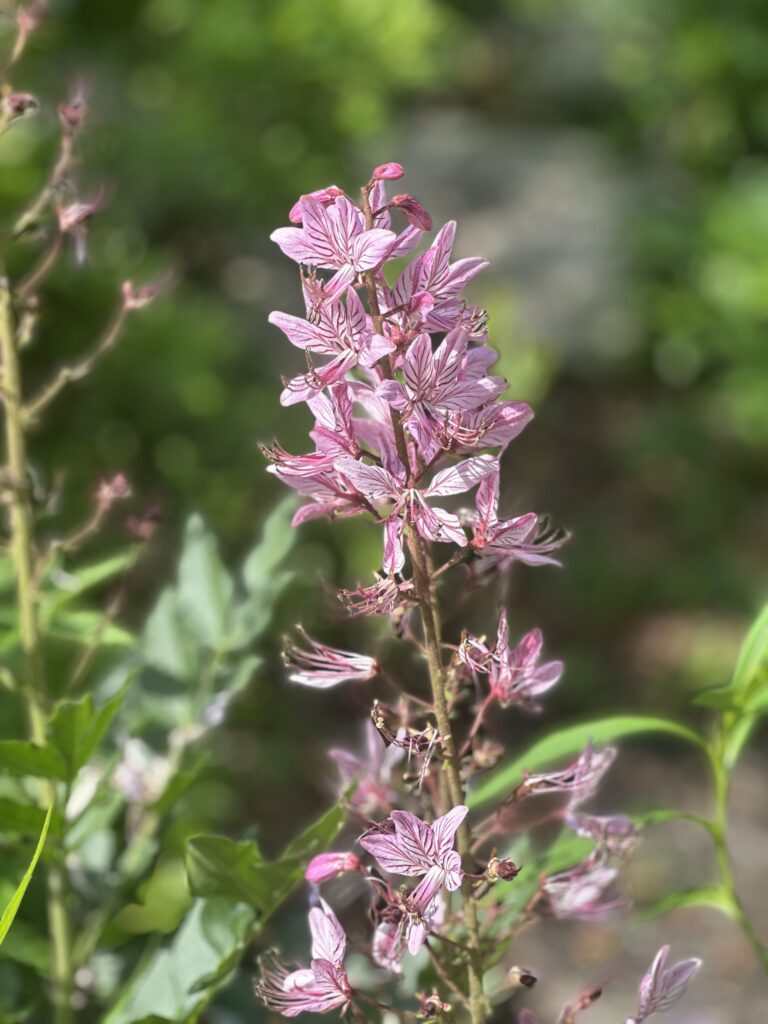
Annuals and perennials will keep a steady bloom performance if their faded flowers are continually removed, preventing seed formation.
Remove faded flower heads from rhododendrons which are now forming seeds. Be careful as new shoots are found on either side of the old flower heads.
Prune spring flowering shrubs such as forsythia (Forsythia spp.), rhododendron and azalea (Rhododendron spp.), Virginia sweetspire (Itea virginica), mock orange (Philadelphus spp.), ninebark (Physocarpus opulifolius), spring blooming spirea (Spirea), lilacs (Syringa spp.) and Viburnum spp. after bloom for maximum flower display next year. These shrubs will form their flower buds on this year’s stem growth for next spring.
Wait for bright green new growth to harden off before pruning evergreens in July and August.
Chelsea Chopping and pinching
In May of 2025, the Garden Club learned about the “Chelsea Chop” from Kerry Ann Mendez of Perennially Yours. Ms. Mendez’ handout advised: “Cut back stems of tall summer/fall blooming perennials by third to half to reduce height and extend blooming.” This video from the Royal Horticultural Society demonstrates the technique, and also explains that the name comes from the Chelsea Garden Show in London, which occurs at the time of year (May/June) when the “chop” is most beneficial.
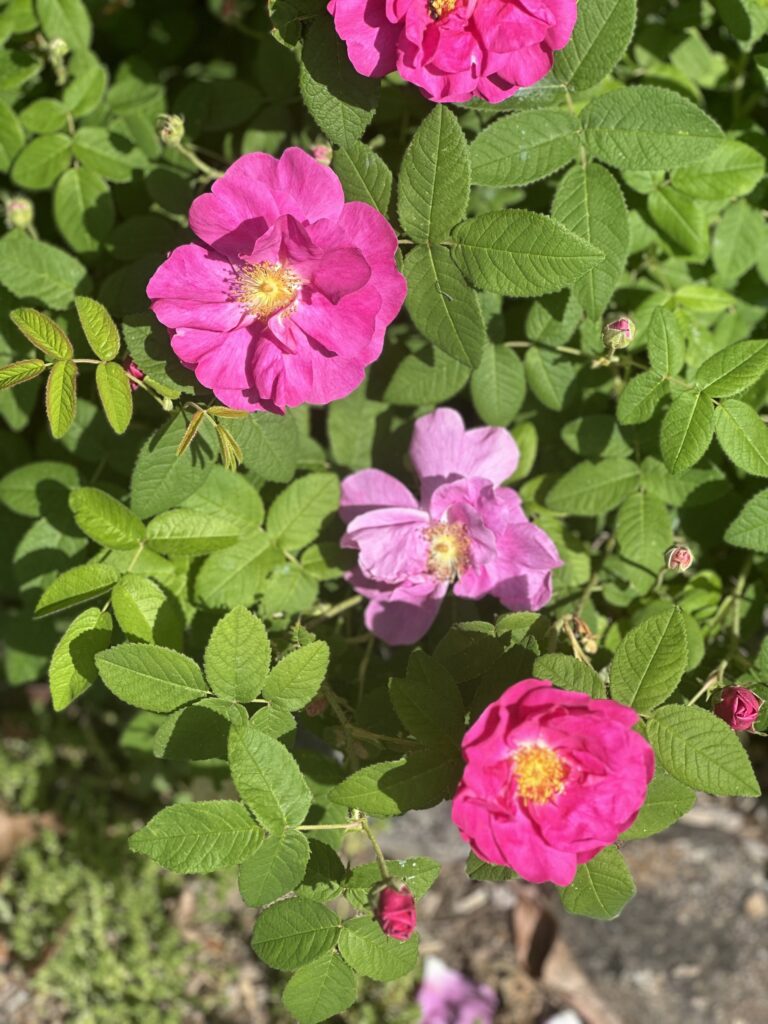
Other advice from from Kerry Mendez’ handout:
Timing for Pinching Perennials: For early summer blooming perennials such as Shasta Daisy, pinch back in early June. For later blooming perennials such as Phlox, Helenium, Helianthus, Chelone, Culver’s Root, Asters, Sedum and Joe Pye Weed, pinch in mid-late June or early July.
Pinching stems delays blooms by typically two or three weeks: Pinching creates shorter, compact plants that don’t require staking.
Pinching eliminates flopping: Pinch fall blooming perennials that are prone to flopping, in early July. This works for Sedum, Aster and Boltonia.
Judy Dembsey is chair of environmental education for the Acton Garden Club. Ann Marie Testarmata is chair of public relations for the Acton Garden Club.