Community members gathered on Friday, June 19, for the Town of Acton’s Juneteenth Celebration, a joyful afternoon centered on history, freedom, cultural preservation, and the power of Black art.
The celebration was hosted by the Town of Acton’s Diversity, Equity, and Inclusion Commission (DEIC) in collaboration with Acton Memorial Library, the Town of Acton, Acton Congregational Church, and the Town of Acton Office of Diversity. Together, these partners helped create a community-centered program rooted in remembrance, learning, creativity, and joy.
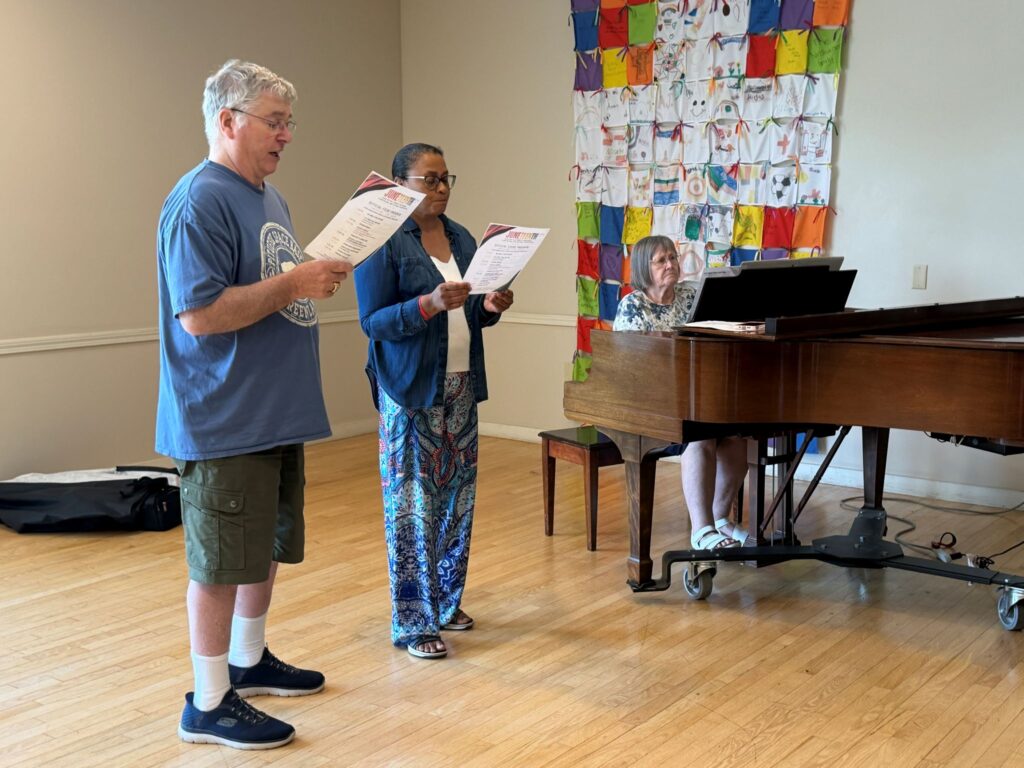
This year’s program focused on the theme “Black Art as a Form of Resistance, Storytelling, and Cultural Preservation.” The event opened with remarks recognizing the meaning of Juneteenth, the presence and contributions of African Americans in Acton and beyond, and the importance of honoring both struggle and joy in the story of Black freedom.
A highlight of the afternoon was the keynote address by Adam Clayton Powell IV. Powell is a grandson of legendary musician and activist Hazel Scott, who wowed audiences while playing two pianos, and a descendant of the influential Powell family, including Congressman Adam Clayton Powell Jr. and Rev. Adam Clayton Powell Sr., longtime pastor of Harlem’s historic Abyssinian Baptist Church. Adam Clayton Powell IV is a professor of engineering at Worcester Polytechnic Institute.
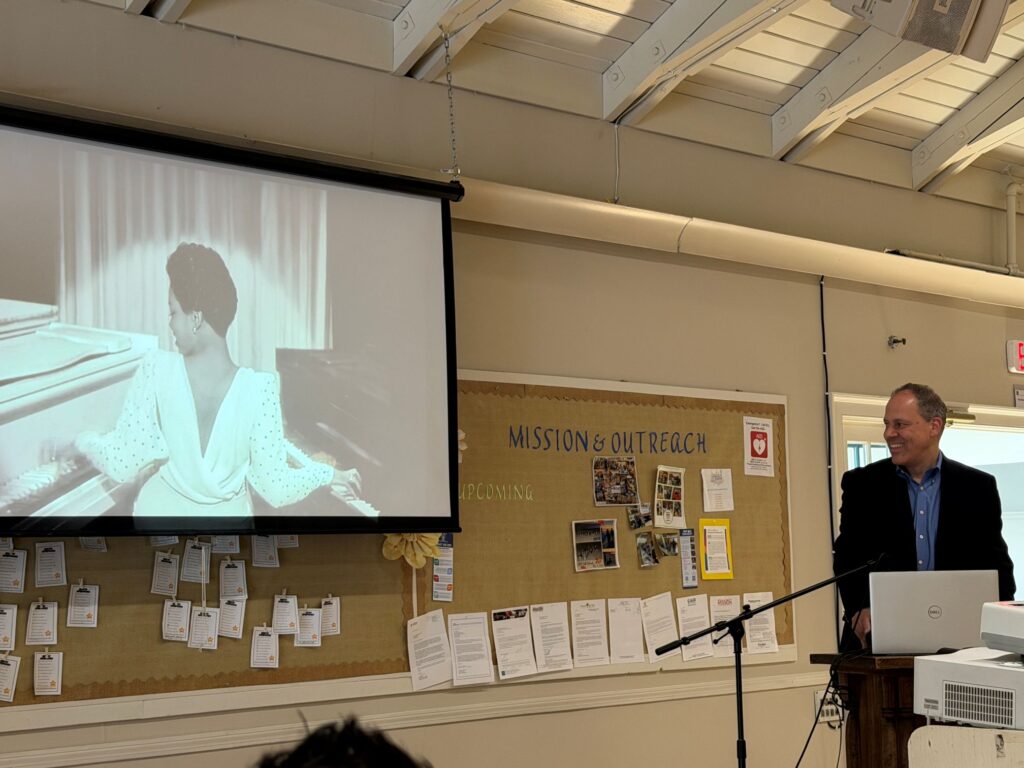
Powell spoke movingly about his grandmother, Hazel Scott, a Trinidad-born piano prodigy who studied at Juilliard School in New York beginning at age 8 and became known for her extraordinary command of classical and jazz piano. Scott later became a celebrated performer on stage, screen, radio, and television, who was known for her refusal to accept segregation, discrimination, or conditions that denied the dignity of Black humanity. Powell reflected on Scott’s artistry, discipline, and intentionality. Her life and legacy offered a powerful example of Black excellence not only as achievement, but as self-definition, courage, and the demand to be fully seen.
After listening to speakers at the Acton Congregational Church, the action moved to the Acton Memorial Library lawn, where attendees enjoyed an interactive performance by Crocodile River Music. Their African drumming and dance workshop brought movement, rhythm, and joy to the gathering.
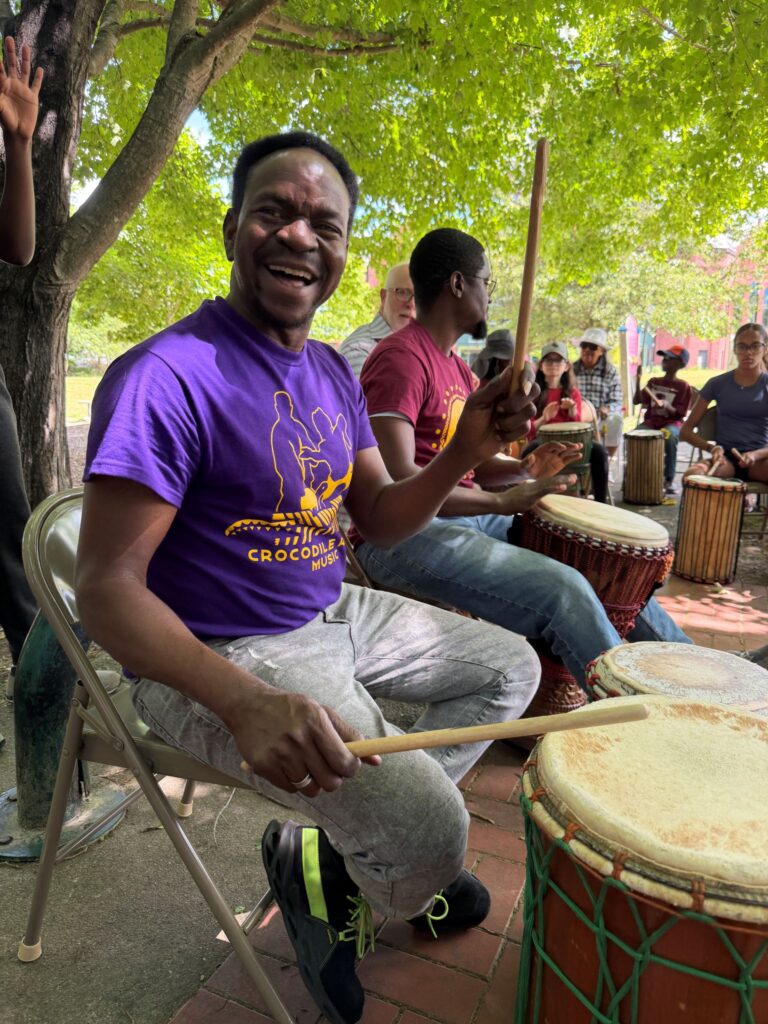
The performance invited community members of all ages to experience African cultural traditions through sound, dance, and participation.
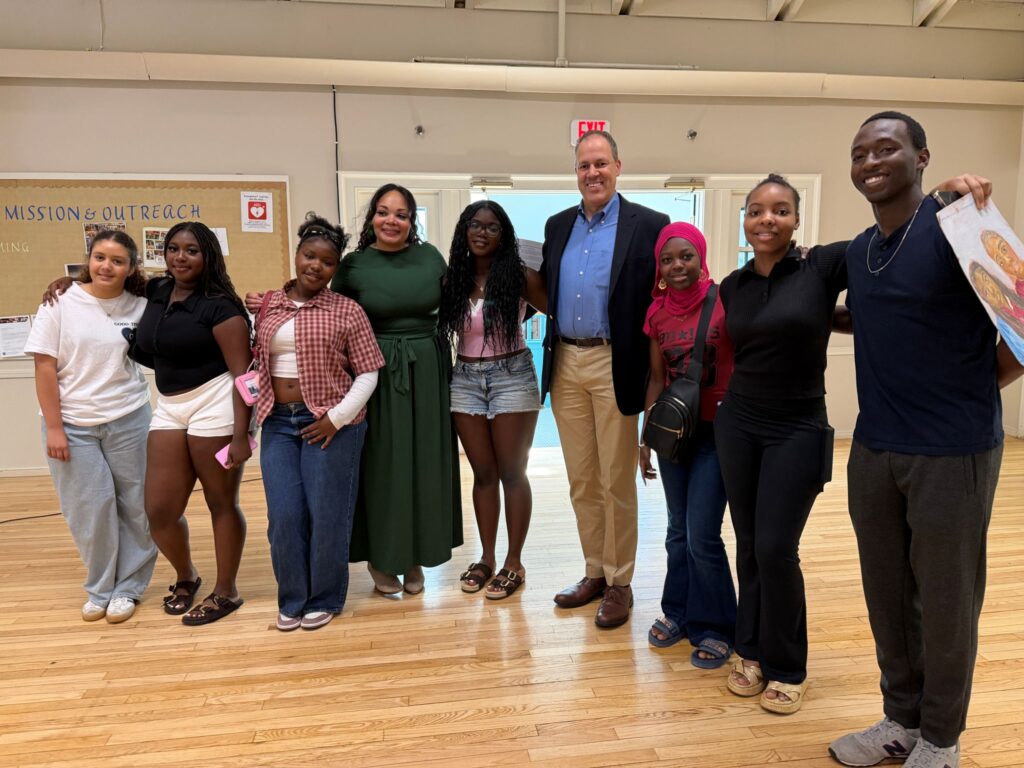
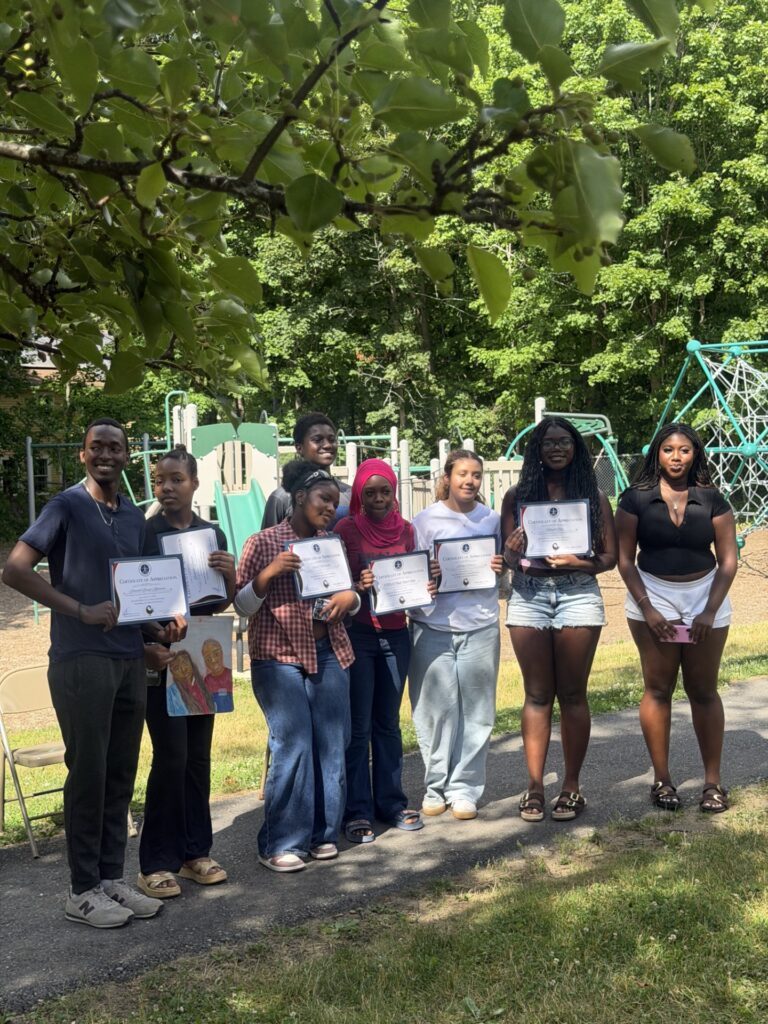
The afternoon concluded with spoken word poetry, featuring participation from the Acton-Boxborough Regional High School Black Student Union (AB BSU). The students’ reflections invited the broader community to engage with Juneteenth not only as a commemoration, but as a living expression of freedom. The students spoke with poise about the complexity of lived experience, some in migration, some in exploration of Blackness as a person who is multiracial, others in the juxtaposition of being young, feeling different, and loving who they are.
Juneteenth marks June 19, 1865, when Union troops arrived in Galveston, Texas, and General Order No. 3 announced that enslaved people in Texas were free. Although the Emancipation Proclamation had taken effect more than two years earlier, freedom was not simply granted by words on a page. It had to be enforced, defended, and made real in places where slavery continued and where those invested in the system resisted its end. Juneteenth is therefore not only a story about delayed news. It is a story about delayed justice, the enforcement of freedom, and the generations of Black people who continued to claim liberation, dignity, family, culture, and joy.
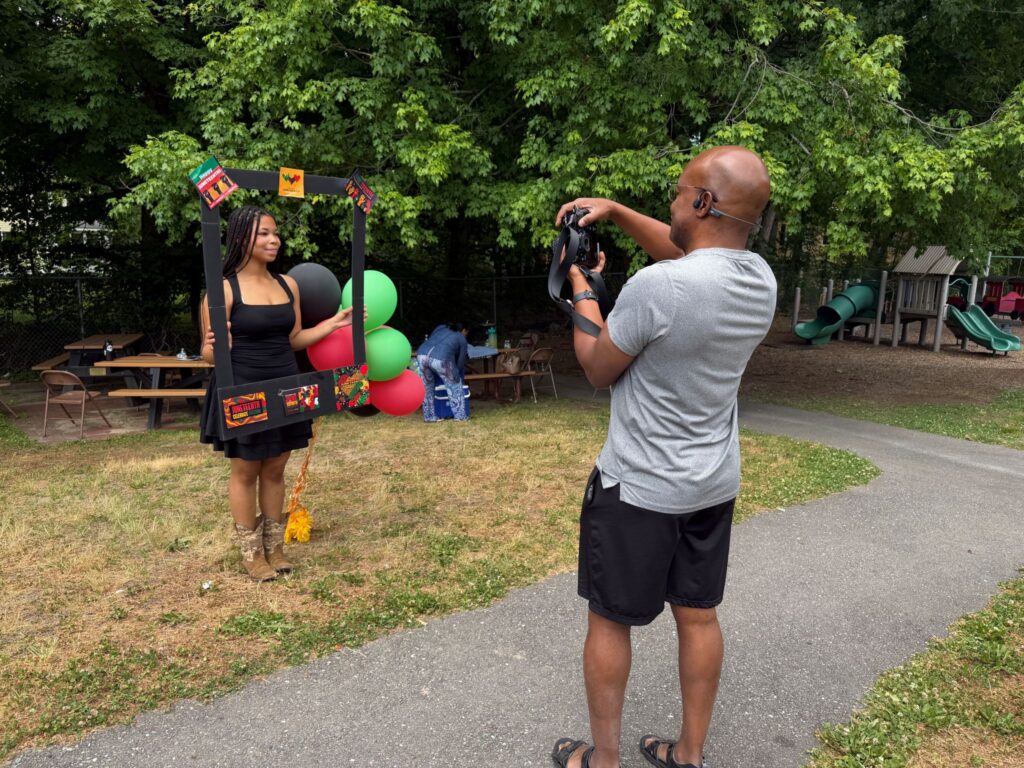
For organizers, the celebration was an opportunity to make space for the full story of Juneteenth, one that acknowledges the pain of history while also honoring the beauty, excellence, and creativity of Black life. Through poetry, music, dance, and storytelling, the event highlighted the many ways Black communities have preserved truth, resisted erasure, and created beauty across generations.
“Joy, as much as endurance, is our right, our reality, and our lived truth,” a Juneteenth organizer said afterward.
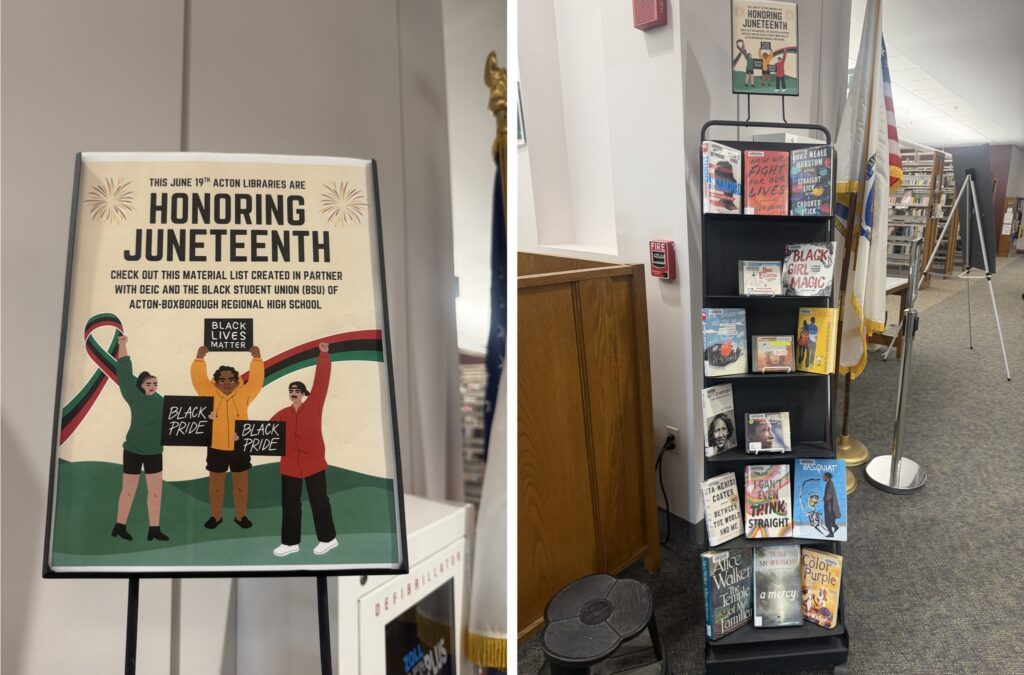
To honor the holiday, Acton Memorial Library hosted a list of books and music provided in collaboration with the DEIC and the AB Black Student Union.
Diane Randolph Jones is a founding co-chair of Acton’s Diversity, Equity, and Inclusion Commission, where she now serves as a commissioner, and a Juneteenth planning team lead. A storyteller and advocate, Diane is active in a variety of roles across Massachusetts addressing mental health stigma, veteran and refugee needs, health disparities, housing, and food security. She brings lived experience, public service, and artistry to her work. A passionate horse person, traveler and poet, Diane believes in dismantling systems (and individual beliefs) that treat joy as a privilege rather than a right.