On May 19, Penny Funaiole, Acton’s Health and Family Services Director, held a public information session called “Opioid Settlement: What’s it all about?” Funaiole outlined the issues around opioid use disorder and discussed the Acton Health Department plans to use the Opioid Settlement Funds distributed by Commonwealth for prevention and treatment. So far, the town has received $157,000 through the settlement, with a total of almost $600,000 expected through 2039.
The opioid crisis has touched many communities across the Commonwealth. Funaiole stressed that no two communities are exactly alike, and the strategies and approaches other towns have used to address the issue may not match Acton’s needs.
Between 2016 and 2023, 23 Acton residents died from opioid overdoses, according to data from the Massachusetts Department of Public Health. Beyond such publicly reported numbers, it’s difficult to know the scale of the problem, particularly in communities where some families may be able to afford private treatment.
“Stigma is damaging,” Funaiole said. “It holds people back from asking for help.”
She wants Acton residents to understand that “addiction is a disease: it’s chronic, it’s treatable, it is not a moral issue.”
Funaiole talks from experience, having served previously as prevention and outreach manager for Medford, where she managed that town’s opioid epidemic response. She also worked previously as the regional opioid prevention coordinator in the Mystic Valley.
Early in the epidemic, public health professionals in some communities were able to identify certain populations at risk. For example, student athletes or trade workers with physically demanding jobs who are prescribed opioids to deal with injuries may become dependent. In those cases, strategies for prevention and treatment can be targeted to those groups. But there don’t appear to be any such risk clusters in Acton, so broader approaches are likely needed.
“We need to hear from those with lived experience or their family members,” Funaiole said, noting that the court system and district attorney’s office may be links to people willing to share their stories.
At the same time, she wants to be careful not to overstate the scope of the problem in Acton.
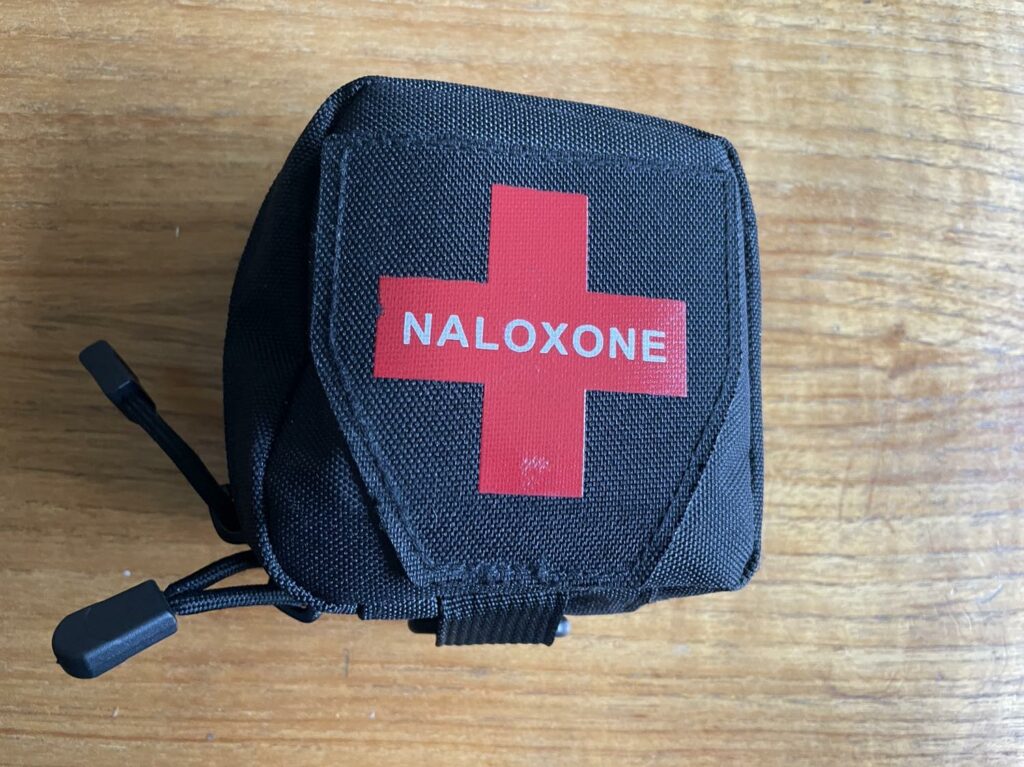
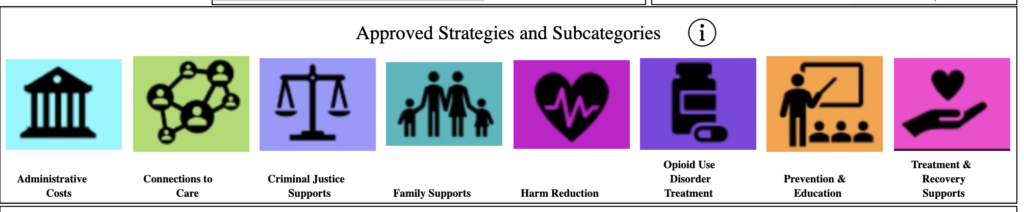
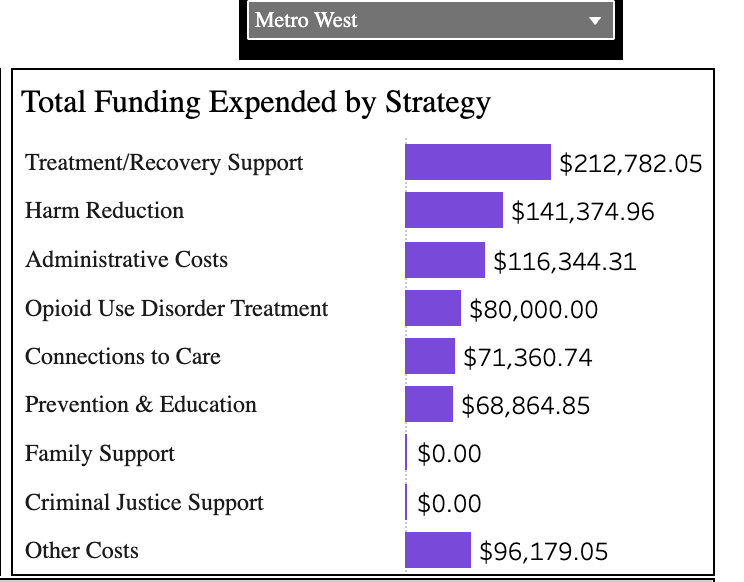
The settlement terms require funds be directed toward harm reduction (such as making naloxone available in the community); prevention (such as recreational and other activities for youth); and treatment and recovery (such as providing the services of a recovery coach).
To weigh the needs and approaches, the next steps for Acton include:
- Creating a task force or working group, which will ideally include both Town personnel (from the Police, Fire, Health, and School Departments) as well as town residents who have experienced opioid dependency or their family members.
- Interviews with key informants, such as staff of local treatment, recovery, and support agencies.
- Focus groups of people who have experienced opioid use disorder or their loved ones.
- A community feedback survey about the use of funds.
Funaiole hopes to see the working group in place sometime in July, and to complete data collection and analysis in time to begin strategic planning by the end of September. The goal is to create a coordinated system of care that will appropriately address the town’s needs.
“My biggest priority is to protect individuals and to protect their pathway to hope,” Funaiole said.
If you or a loved one is experiencing opioid use disorder or another form of addiction, the Learn to Cope program offers in-person and virtual peer-led support.
You can pick up a Narcan kit from the Acton Health Department. If you have an older kit, check to make sure that the Naloxone and test strips have not expired.
Patricia McTiernan is one of the Acton Exchange’s beat reporters for the Board of Health and Health Department. She previously worked as a communications professional in the non-profit healthcare sector.