Each spring around Earth Day, residents of Acton roll up their sleeves for a shared purpose: keeping their community clean, healthy, and resilient. This year’s Acton Clean-Up Week continued a tradition that has grown steadily over the past two decades, bringing neighbors together not just to pick up litter, but to tackle a more complex ecological challenge: invasive garlic mustard.
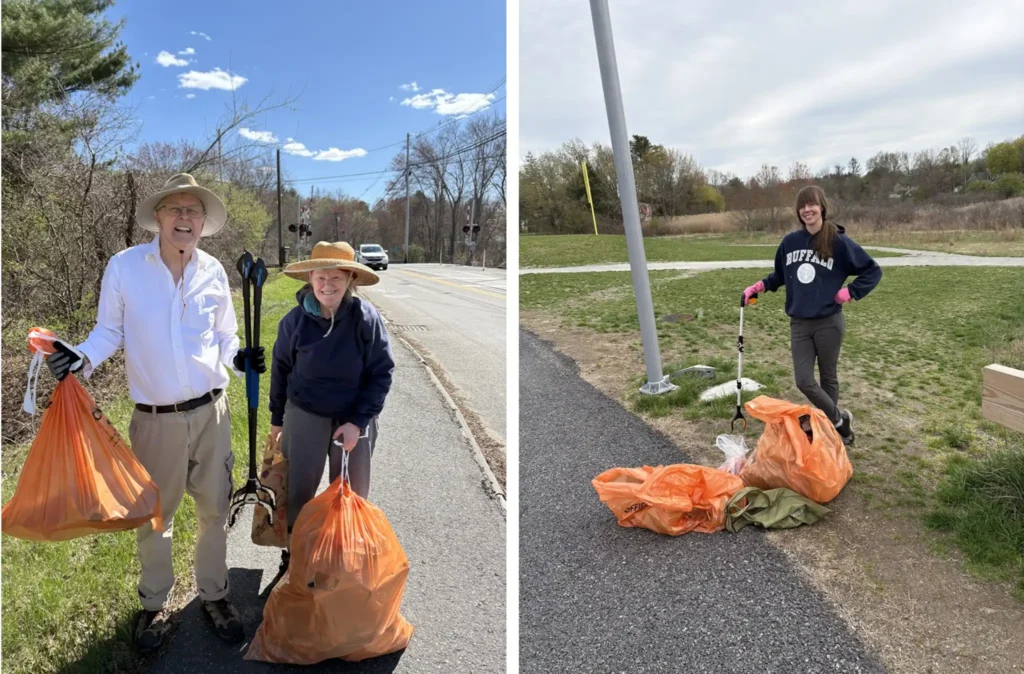
According to Rob Gogan, chair of Green Acton’s Materials Committee, the clean-up effort began modestly in South Acton roughly 20 years ago, led by Acton resident Betsy Eldridge, mother of State Senator Jamie Eldridge. It has since expanded town-wide, and now is coordinated by Green Acton. After a brief pause, the initiative was revived three years ago with an added focus on invasive species management, particularly garlic mustard.
“Clean-up week always falls around Earth Day,” Gogan explained, “and garlic mustard is one of the only plants that’s bright green that early in the season. That makes it easy to spot — and remove.”
A Strategic Focus on Invasive Species
Garlic mustard may look harmless, but its ecological impact is significant. The plant’s dense growth can choke out native vegetation, disrupting local ecosystems, and the root system can alter the biome of the soil itself. Even more challenging, its dispersed seeds can remain dormant in the soil for years, making long-term control difficult.
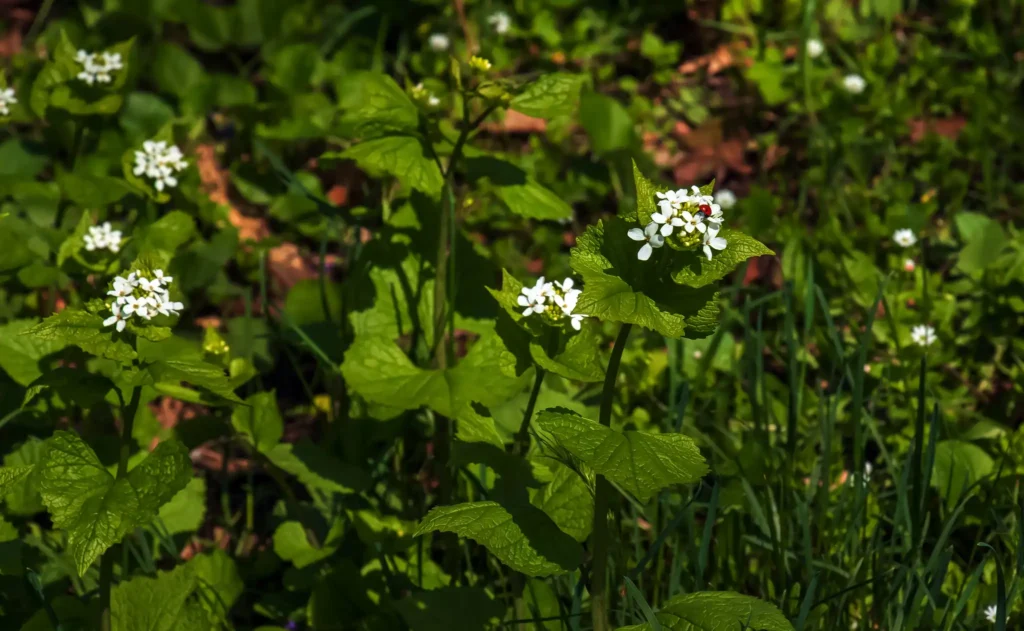
Fortunately, early spring conditions work in volunteers’ favor. “The soil is typically wet, so the roots are easy to pull,” said Gogan. “But timing is critical — once mature plants drop seeds, the problem multiplies.”
This year, volunteers successfully cleared approximately 505 square feet of garlic mustard across several conservation areas, including about 200 square feet at Jenks Conservation Area, 300 square feet at Great Hill, and a smaller patch at Gardner Field.
Community Participation and Youth Engagement
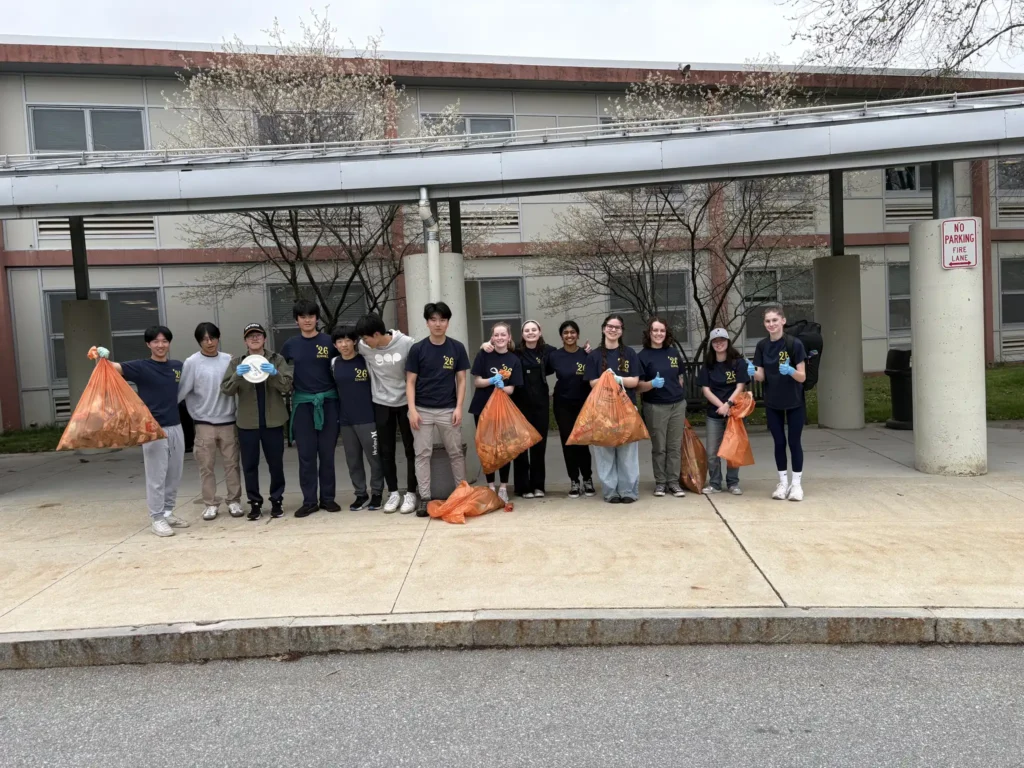
While participation in the week’s events included about a dozen community volunteers across various sites, one standout effort came from Acton-Boxborough Regional High School. As part of a senior community service day, approximately 35 students joined the clean-up, significantly boosting the impact.
Still, organizers say more help is needed, particularly in areas where garlic mustard continues to spread.
Interestingly, this year’s clean-up revealed a positive trend: less trash. Although around 200 collection bags were distributed, only about 20 were filled.
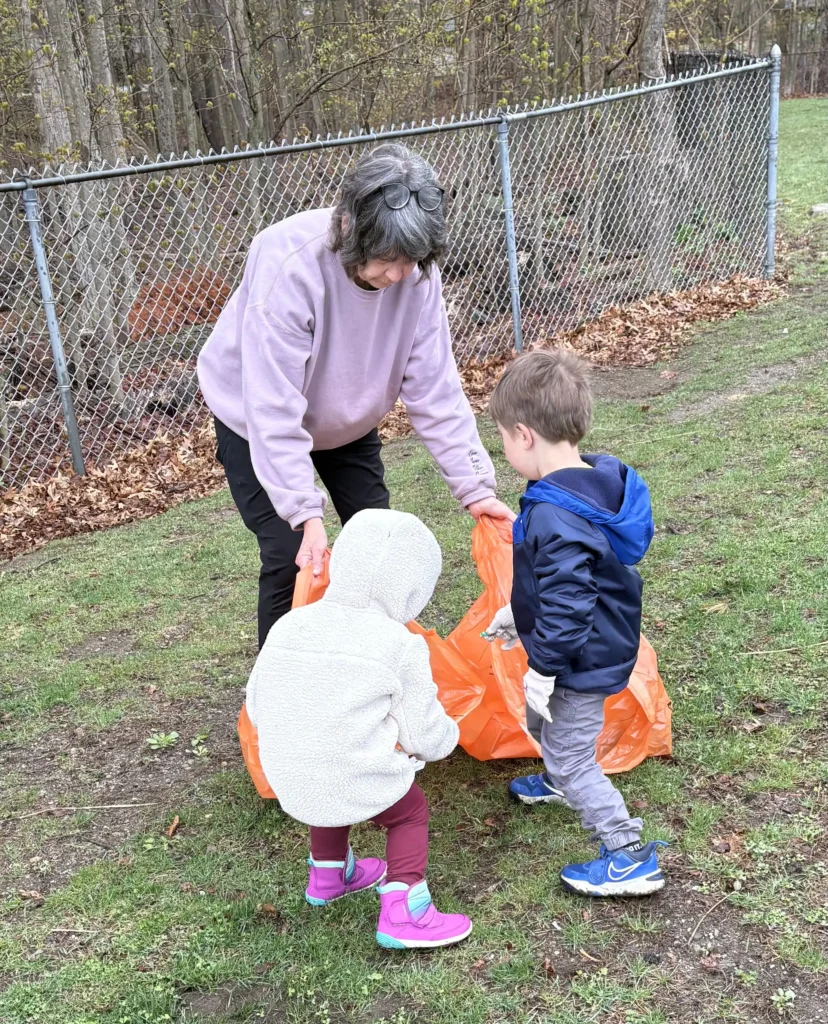
“That’s not from a lack of effort,” Gogan noted. “It’s actually a good sign — the town is getting cleaner.”
Partnerships That Make a Difference
Support from local and regional partners also played a role in the week’s success. WasteZero, a company that produces Acton’s blue recycling bags, donated supplies for the event. The connection came through Gogan’s involvement with MassRecycle, where a fellow board member helped facilitate the partnership.
“It was a natural fit,” Gogan said. “Those kinds of relationships really help make these events possible.”
Looking Ahead
Acton’s Clean-Up Week is more than a seasonal tradition, it’s an evolving community effort that reflects both environmental progress and ongoing challenges. While reduced litter is a promising sign, the persistence of invasive species like garlic mustard underscores the need for continued vigilance and participation.
For those who missed this year’s events, opportunities to get involved in environmental efforts continue throughout the year because maintaining a clean and sustainable community is a job that doesn’t end with Earth Day.
Susan Greene is an environmental science consultant, sustainability blogger, and grant writer based in Acton, MA. She is the founder of GreeneUP, a platform that explores sustainable living, climate issues, and community resilience.