The Town of Acton Sustainability Office hosted a virtual information session for renters on March 26, outlining ways to reduce energy costs, improve sustainability, and access local resources.
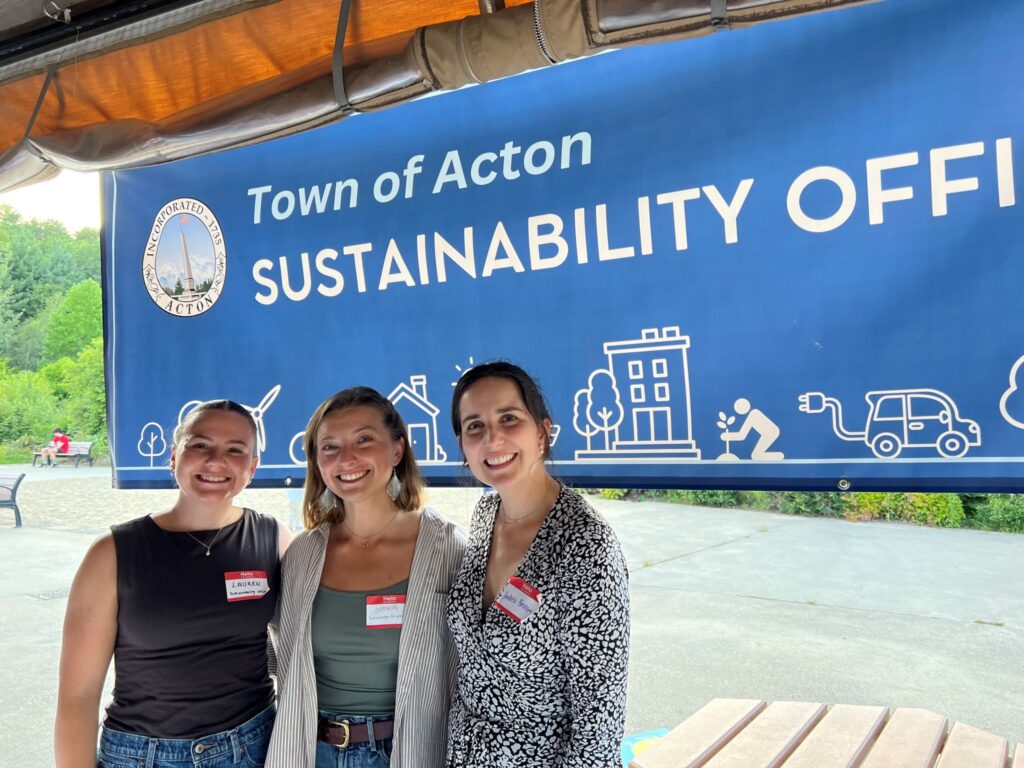
Andrea Becerra, sustainability director for the Town of Acton, described renter-friendly options for advancing environmental sustainability in Acton. She said that physical limitations and information flow bottlenecks both have “the potential to limit the ways in which residents can approach and invest in sustainability, particularly in terms of energy sourcing, energy efficiency, and access to certain methods of waste, recycling, and compost collection.” This information session was intended to overcome some of those problems. These constraints can make participation in programs such as Mass Save more complex, especially in multi-family buildings where property owners must initiate energy assessments and approve improvements.
In addition to physical limitations, the Sustainability Office identified an information gap as a key issue. According to Becerra, “renters may have less access to information and connection to Town government and services. Renters may not receive direct communications, such as mailings, program updates, or public meeting notices, which are often directed to property owners. In multi-family buildings, information may also be filtered through landlords or property managers, limiting awareness of available resources.” This zoom session was an effort on behalf of the Sustainability Office to help span this information gap, but the light attendance suggests that further outreach is warranted.
The office reported that it is working to expand renter access to home energy assessments, energy efficiency incentives, community solar programs, recycling services, and emergency preparedness resources. Outreach efforts include targeted materials for renters, and canvassing in multi-family buildings. A notice sent to the Acton Exchange Bulletin Board stated that “authorized representatives from the Acton Sustainability Office will be visiting multifamily residential buildings on weekdays throughout the months of April and May. The outreach aims to share information about energy efficiency and clean energy programs that can help reduce costs through state and utility incentives.”
While property managers control the decisions on large purchases, Mass Save offers discounts on small appliances such as smart thermostats, and smart power strips that, according to the U.S. Department of Energy, can save users up to $200 per year on energy costs.
Waste management was another focus of the discussion, including both recycling and composting.
Massachusetts Department of Environmental Protection requires that the property managers of multi-family dwellings ensure that certain materials, including glass containers, metal, recyclable paper, recyclable plastic containers, and textiles, are not disposed of at a Massachusetts landfill, combustion facility, or transfer station; in practice this means that they must establish recycling programs. However, recycling contamination in multi-unit housing was identified as a recurring issue.
According to Becerra, “The most common recycling mistake at multi-family residences is contaminating the recycling dumpster. Many property managers report facing fees from recycling haulers or getting loads left behind due to recycling contaminated with food, liquids, and trash.”
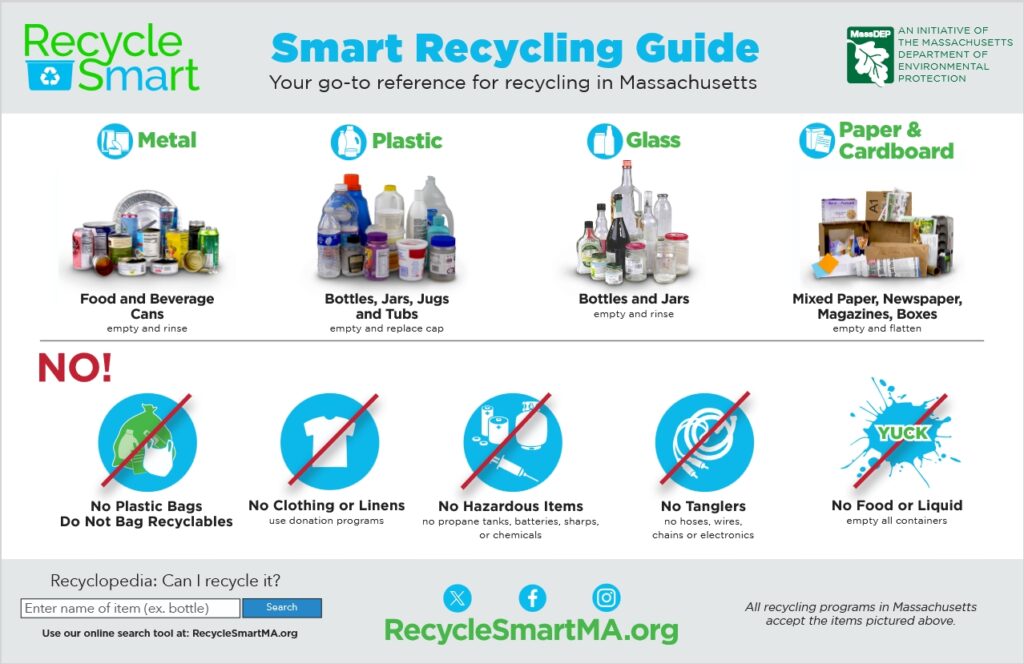
Recycle Smart notes a few ways that recycling contamination can be reduced:
- Ensure recycling is dry and clean
- Do not bag recyclables! Plastic bags clog sorting equipment and end up in the trash
- Avoid tanglers like wires and cords that will damage sorting equipment
Composting is a method of recycling food scraps and other organic materials, turning them into products that can be used to enhance soil quality. For renters without access to on-site composting, options include curbside collection services and food waste drop-off at the Acton Transfer Station. Officials noted that participation in composting programs at multi-family properties may require coordination with property managers.
The town is also working to expand transportation and infrastructure options. Current initiatives include participation in the Minuteman Regional Bike Share Program and improvements tied to local planning efforts such as Complete Streets and the Kelley’s Corner project. Van and bus services are available through CrossTown Connect.
Looking ahead, the town is developing a Transfer Station Subsidy Program to provide reduced-cost access for some residents. Funding for the initiative was approved at the 2025 Town Meeting, with additional details expected in the coming months.
Susan Greene is an environmental science consultant, sustainability blogger, and grant writer based in Acton, MA. She is the founder of GreeneUP, a platform that explores sustainable living, climate issues, and community resilience.