On a cold January morning at the Acton Senior Center, the coffee was hot, the conversation was candid, and the stakes, while not revolutionary, were unmistakably civic.
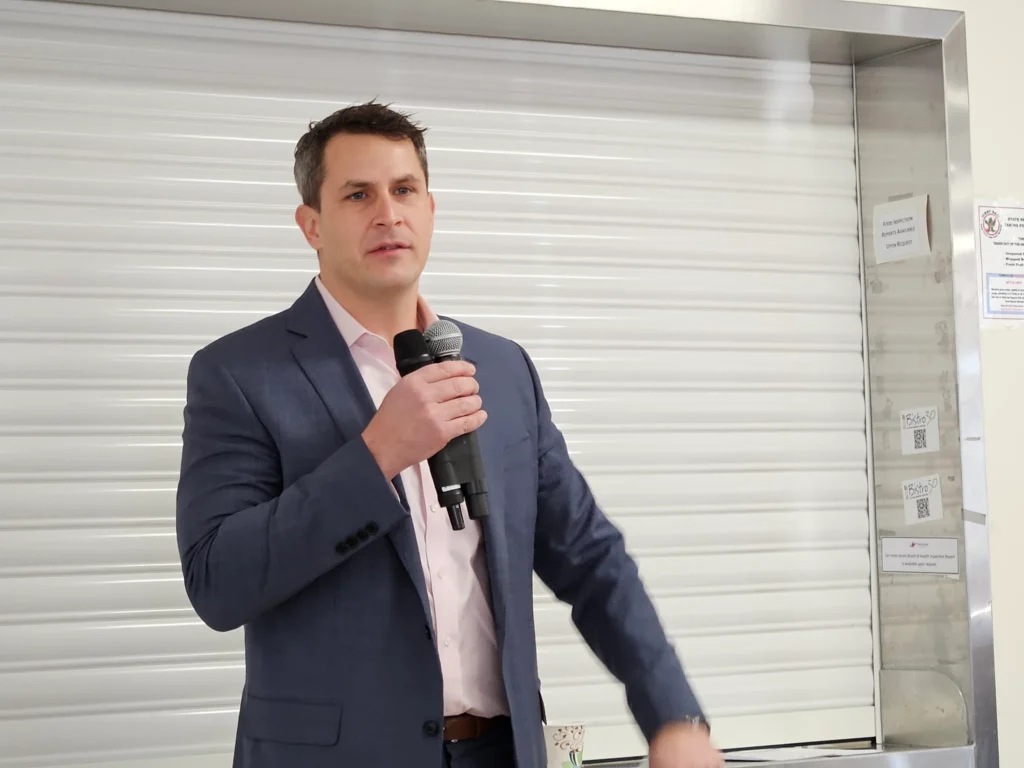
“Java with John,” now in its eighth year, has become one of those small but telling rituals of local democracy. Town Manager John Mangiaratti uses the informal setting to walk residents through what’s coming, what’s costly, and what’s complicated. The session on January 16, 2026, offered a revealing snapshot of Acton at a moment when tradition, infrastructure, and economic ambition are all bumping into fiscal reality.
A Budget Season Reality Check
Acton has officially entered budget season. The proposed FY27 budget, scheduled for Town Meeting consideration in early May, comes in at a 3.25% increase. That figure reflects months of internal trade-offs, and Mangiaratti was frank about the tension: the budget meets the Select Board’s directive, but the town is facing unavoidable pressures.
Joint Finance Committee–Select Board budget workshops this week will give department heads the spotlight. As Mangiaratti put it, those long meetings aren’t just about numbers; they’re a guided tour of what town services actually look like when you peel back the spreadsheet.
The Bell That Can’t Ring (Yet)
One of the most visible and symbolic issues is the Acton Town Hall bell tower. Its four clocks famously show four different times, but the bigger problem is structural rot in the timbers supporting the bell.
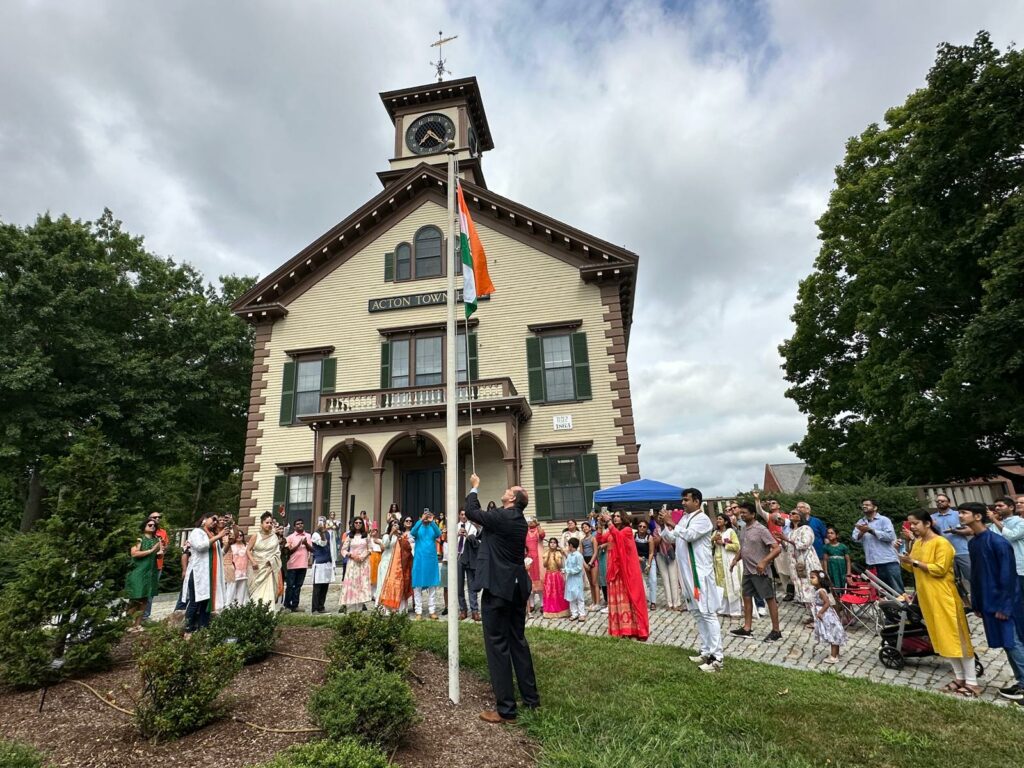
After an inspection revealed that the building literally shakes when the bell rings, the chime was shut off. The Town has applied to the Community Preservation Committee for funding to restore the tower. If approved, the project will go before Town Meeting.
It’s a reminder that preservation isn’t optional when the building in question has been standing since the late 1800s.
The HVAC Project Nobody Wants But Everyone Needs
If the bell tower is a romantic project, the Town Hall heating, cooling, and ventilation system (HVAC) system is the necessary one.
The current HVAC system is leaking, inefficient, and contributing to mold risk. The proposed replacement would cost about $3.75 million, but there’s a significant offset: a $1 million state grant because the new system will be all-electric, aligning with Acton’s climate commitments.
The town would borrow the remaining cost and pay it down over 30 years. As Mangiaratti noted, it’s not the kind of investment that excites anyone, but it’s one that could keep the building functional for decades.
DPW: A Second Look, Not a Do-Over
Public Works (DPW) facility remains one of Acton’s most complex capital challenges.
After voters rejected a $35+ million DPW facility project at the ballot last year, Town Meeting authorized $150,000 for a rethink. Enter Arrowstreet, the firm behind the Boardwalk School in West Acton.
The preferred alternative – known as “Option 4B” – keeps the existing DPW garage for vehicle storage and proposes a smaller, new building for offices, locker rooms, and workshops. It’s a compromise shaped by voter feedback: reuse what works; build only what’s needed.
The revised plan still carries a price tag north of $25 million and will be discussed extensively before Town Meeting. But it reflects a town trying to listen before asking again.
(Disclosure: Greg Jarboe is on two committees that deliberate on DPW issues.)
Why There Are No Fireworks This Year
Few topics generate as much emotion as Fourth of July fireworks, and Mangiaratti addressed the issue head-on.
Fireworks will not be funded in FY27. The reason isn’t philosophical; it’s practical. The event costs roughly $50,000–$60,000 and requires nearly every town department — police, fire, DPW — to work overtime on a holiday. From the Town’s perspective, it has become a regional event paid for entirely by local taxpayers, with little measurable economic benefit.
The previously appropriated funds remain untouched and could be used for fireworks in a future year or returned if the event doesn’t resume.
Smaller Projects, Real Progress
Not everything discussed carried a multi-million-dollar price tag.
- Woodlawn Cemetery Chapel is undergoing an accessibility upgrade thanks to a $250,000 grant, delayed only by the need to quarry matching granite.
- Kelley’s Corner is nearing completion, with sidewalks, lighting, and traffic patterns expected to wrap up in the spring. The blinking yellow arrows may frustrate some drivers, but they’re functioning exactly as designed.
Civic Housekeeping: Dogs, Voters, and Democracy
Town Clerk Leo Mercado brought the conversation down to earth with reminders that quietly matter:
- Dog licenses are due (and free for residents over 70).
- Mail-in ballot applications are now fully online.
- Annual street listing censuses are mailing out soon; returning them keeps voter rolls accurate and state funding flowing.
- Anyone interested in running for local office needs just 50 signatures to get on the ballot.
It was a masterclass in how democracy depends on paperwork done right.
Economic Development, with a Local Accent
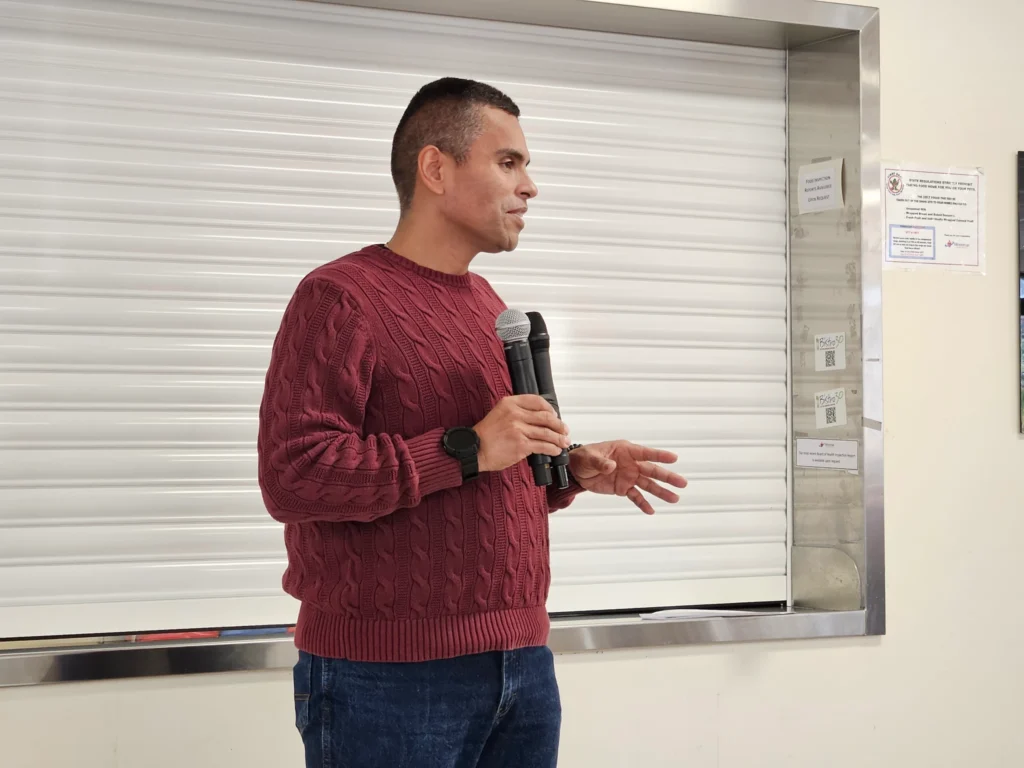
Economic Development Director Patricia Costa, eight months into the job, outlined a strategy that blends data, design, and community input.
Two focus areas dominate 2026:
- Great Road, where the Town aims to reduce vacant storefronts using a grant-backed incentive program that pairs small business tax relief with public art by local artists.
- South Acton, where a new working group will focus on revitalizing Route 27, enhancing historic buildings, improving aesthetics, and better connecting the commuter rail to Main Street destinations.
Costa emphasized listening first. A business survey now underway will gather direct input from local employers, while volunteers help shape next steps.
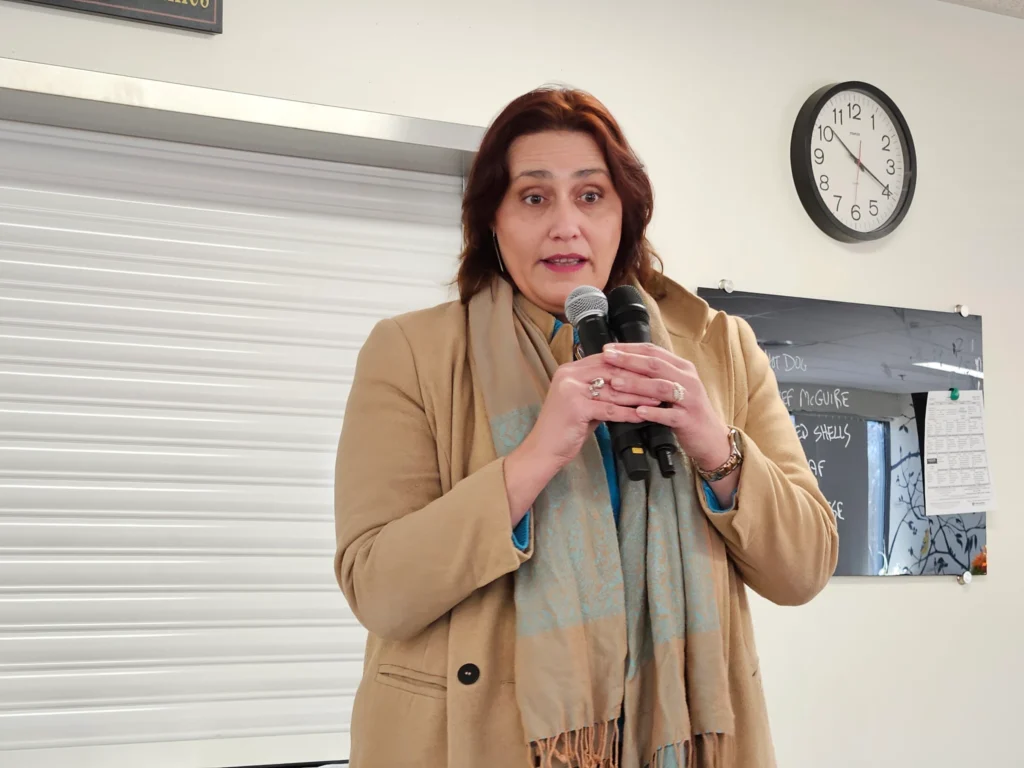
Recent wins include new eateries opening at the Trader Joe’s plaza, a foreign trade zone application that could benefit a North Acton manufacturer, and a 50th anniversary celebration for Post Road Carpet One this April.
The Through Line
What emerged over coffee wasn’t a single headline but a pattern: Acton is balancing ambition with restraint, preservation with pragmatism, and regional appeal with local responsibility.
“Java with John” works because it doesn’t pretend these choices are easy; it lays them out plainly.
That, in the end, may be Acton’s most reliable infrastructure of all.
To watch the entire hour-long session, which was recorded by ActonTV, click on “Java with John – January 16th, 2026.”
Greg Jarboe is the Acton Exchange beat reporter for the Council on Aging and Senior Center. He is a member of the Town of Acton Finance Committee and the Public Works Facility Building Committee.